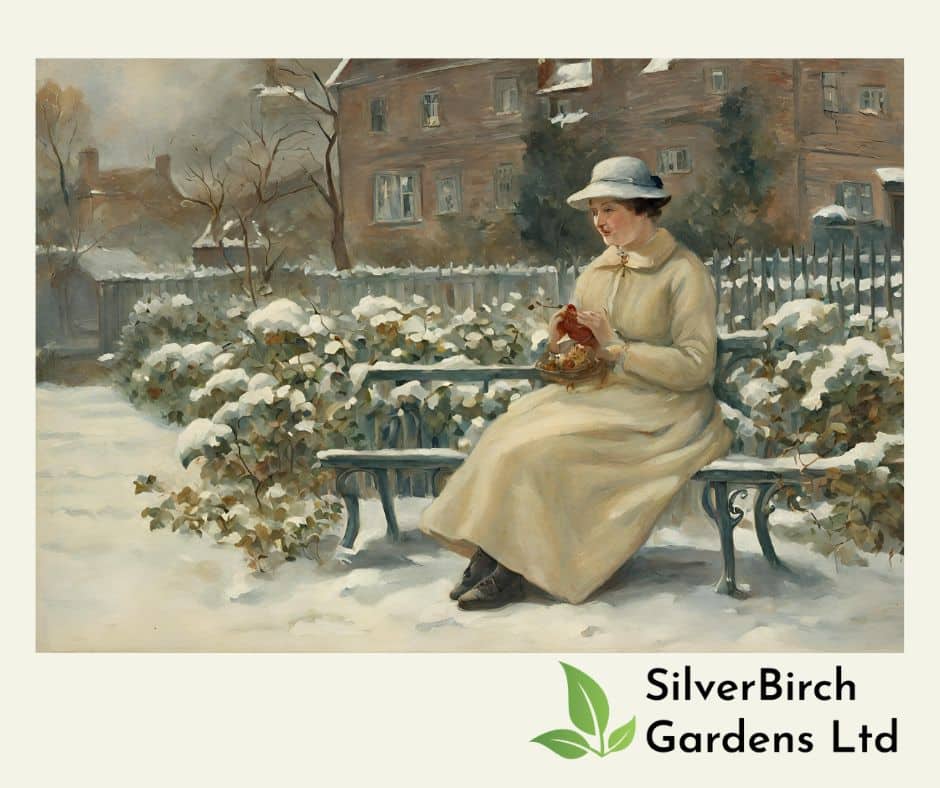
Using Your Garden To Help Manage Seasonal Affective Disorder
Do you suffer from SAD? Here are some tips on using your garden to help manage symptoms.
As summer makes way for autumn and the days get shorter, many people will start to notice changes in their wellbeing. Sleepiness, low energy, weight gain, and social withdrawal are all symptoms of seasonal affective disorder which can have a dramatic impact on a person’s mental health.
According the the NHS, the exact cause of SAD is not fully understood but there is a clear link between this seasonal depression and a reduction of exposure to sunlight. Amongst the recommended treatments mentioned on their website, are lifestyle measures, getting as much natural sunlight as possible, exercising regularly and managing stress levels.
I’ve touched on the therapeutic benefits of spending time in the garden in previous blogs. (Links at the end of this article) but today I want to discuss how a carefully designed garden could encourage you to fight the winter blues by spending more time outside.
Exposure To Natural Sunlight
Even in sunny Somerset, there can be no doubt that the sun’s rays lose strength in the winter months. Added to that, chilly weather tends to give everyone an excuse to stay indoors. But if the NHS website is to be believed, getting outdoors during daylight hours is a critical tactic in the battle against seasonal affective disorder.
So what could you do to your garden to make it more inviting on a drab chilly day?
Here are a few ideas.
- Get rid of all the barriers to using your garden in winter – slippery slabs, muddy lawns, steep steps and nosey neighbours.
- Set yourself some targets for outdoor exercise that can be done in the garden in between rain showers. See my suggestions below.
- Plant some exquisitely scented shrubs that you can’t resist visiting every day.
- Create a cosy corner with comfy seating and a fire pit for warmth. Invite friends to join you for a health boosting half hour in the garden with soup, hot chocolate and great conversation.
- Build an outdoor kitchen and cook some of your meals outdoors.
- Turn your greenhouse into a winter garden and spend time tending your plants.
- Save some of those autumn gardening tasks to do on shorter days. Digging the veg patch, mulching and turning the compost heap.

What Stops You Using Your Garden In Winter?
The weather in Somerset is often milder than other parts of the UK in winter time, but most of the time it doesn’t exactly invite anybody outdoors. And for anyone already suffering with depression, making the effort to don warm clothing and find a reason to to outside can be just too daunting.
What excuses do you make to avoid using your garden in winter? Is there anything you can do to negate those reasons?
For example, if you worry about slipping over, perhaps you could ask a landscaper to address some of the issues that make you feel unsafe. A badly installed patio for example may not be draining properly. Standing water, even if it’s only a few millimetres deep can be slippery, will encourage algae to grow and when it freezes it’s downright dangerous.
Perhaps you could install some attractive handrails or a balustrade to help you negotiate steps?
Muddy lawn? Build a path or insert stepping stones.
Drainage issues? Ask your landscaper to come up with an idea to manage rainwater. Installing a soakaway or designing a rain garden could transform the way you use your outdoor spaces.
Perhaps your garden is just plain boring. If the space is uninspiring, you have no incentive to go outdoors.
Fixing any problems with your garden is the first step to making better use of it in winter.
The Power Of Using Your Garden For Exercise?
If going to they gym becomes too much of a faff when Seasonal Affective Disorder starts to rear its ugly head. Why not change your exercise routine to something more achievable? How about something as simple as completing 20 circuits of the garden after lunch? If Captain Sir Tom Moore could do it at the age of 99 it must be reasonably achievable. Can you set yourself a target and reward yourself when you achieve your goal?
If you have steps in your garden, put your headphones on and listen to some energetic music while you do a quick aerobic workout. You’ll be amazed at what you can achieve in 10 minutes. Raising your heart rate for a short while will give you a dopamine hit that lasts for hours.
Invest in a basketball hoop and see how much your aim and your stamina improves with a few minutes practice each day. Get the whole family involved and turn it into a competition. Loser has to unload the dishwasher.
Does your dog need some extra exercise too? Build an obstacle course and do some agility training with them. It’s good for their body and their mind.

Canine Hoopers is a low impact doggy sport that can easily be practiced in a garden. It’s a great way of exercising both you and your dog.
Use All Of Your Senses For A Mindful Garden Experience
I’m not going to lie to you, a garden that looks amazing in the summer can be a bit of an anticlimax in winter time. But it doesn’t have to be that way. With careful design and some thoughtful planting, the winter season can be equally as exciting as spring and summer.
A sensible layout will help. Use paths to create a journey around the garden and place focal points along the way. A water feature, a deliciously scented plant, tactile grasses, brightly coloured berries, a soothing wind chime. Try to find something for each of your senses and be mindful when travelling around the space.
Using your garden for meditation needn’t mean sitting cross legged on the frozen lawn, you can spend time in the outdoors walking around the space as you practice mindfulness. If you use a labyrinth in your practice, you could ask your garden designer to incorporate one into the layout of your plot.

Spend Time Outdoors With Friends
Human interaction is incredibly important for our wellbeing. Even though when suffering with Seasonal Affective Disorder it’s tempting to withdraw from society, spending some time chatting with loved ones is a great mood booster.
Rather than plonk yourselves in front of the telly, why not head outdoors and enjoy some natural daylight together? A comfy seating area, some blankets, woolly hats and a mug of home made soup (or hot chocolate) makes for a memorable half hour. Even if you do spend it moaning about the weather!
Do you have a nice sheltered spot in your garden where you can host an al-fresco get together? I would suggest having a paved or decked area, perhaps sheltered by a pergola and offering some lovely views of your garden. A fire pit or chimenea will make the experience much more pleasant and you’ll feel all together better for spending time outside with people who are important to you.
Outdoor Cooking In Winter
Have you ever contemplated cooking your Christmas Dinner outdoors? I’ve not tried it myself (yet!) but I know a couple of Barbecue Afficionados who have done it. Can you imagine pigs in blankets toasting on the grill? The traditional ham joint would taste amazing cooked in a smoker.
Turkey and all the trimmings might be a bit ambitious for a cook-out but there’s something quite inviting about the idea of hosting a BBQ in winter time. Hot dogs, burgers, hearty soup and my favourite chocco-nana’s* can all be taken indoors for guests who feel the chill.
*To make chocco-nana’s, make a slit along the length of an unpeeled banana. Insert chocolate buttons and wrap the banana in foil. Pop the package on the barbecue for 10 minutes or so. Take it off carefully, open the foil and use a spoon to scoop out and eat the deliciously sweet chocolatey fruit.
Mood Boosting Gardening Jobs For Winter
Using your garden to lift your mood and get your circulation moving can be quite productive too. There are lots of winter gardening jobs that can be done in stages if the weather is awful or you’re feeling sluggish.
- Dig veg beds ready for next spring. A few spade fulls every day will soon get the work done.
- Gather up all of those autumn leaves and use them to make leaf mulch – it takes a couple of years for it to rot down thoroughly but it’s well worth the wait.
- Turn the compost heap.
- Trim hedges.
- Mulch beds and borders.
- Rake gravel paths and driveways to remove debris and freshen the look.
- Prune overgrown shrubs.
- Put up some bird nesting boxes ready for spring.
- Gently wipe the lenses of outdoor lights to keep them glowing brightly.
Seasonal Affective Disorder is unpleasant for sufferers and their families, but using your garden throughout the winter months may well help to alleviate some of the symptoms. I hope that I’ve given you some ideas for outdoor activities. And if you need help designing or building a mood-boosting garden in time for next winter, please don’t hesitate to get in touch.